AI can be helpful for one conversation. The harder part is getting it to carry the work.
HMS is the memory harness I’m building around AI work: a place for project context, decisions, open questions, and recovery points to live beyond a single chat.
Not just chat history. The useful stuff: decisions, preferences, open loops, and what matters next.
A better place for project state to live so the work does not reset every session.
When the work stops, the harness should help pick up the thread again.
The thing I keep running into
Most AI tools are good at the conversation in front of them.
The problem starts when the work lasts longer than the chat.
You explain the project. You give the background. You correct the direction. You decide what matters. Then a new session starts and you are back at the beginning, trying to rebuild the room from memory.
What this means: HMS starts with the frustration of repeated context. The goal is AI work that can continue.
The problem
Long projects get scattered.
One useful detail is in yesterday’s chat. A decision is buried in a note. A half-finished plan is sitting somewhere else. The AI might have helped with all of it, but it does not really carry the work with you.
That creates a weird kind of drag. You repeat yourself. You lose track of what was decided. You wonder what the AI remembers, if anything. The tool is powerful in bursts, but the continuity is still mostly on you.
For quick questions, that is fine. For real work, it is exhausting.
The idea
HMS is my attempt to build the missing harness around AI work.
The model is only one part of the experience. Around it, I want a system that keeps a useful project memory: context, decisions, open questions, unresolved problems, preferences, handoff notes, and recovery points.
Not a giant pile of saved transcripts. Not a black box that remembers things behind your back. A harness. Something that helps the work stay organized when the chat window is not enough.
What this means: HMS is mainly about memory and continuity. Safety matters because memory matters.
Human-like memory, without pretending it is human
When I say human-like memory, I do not mean consciousness.
I mean memory that feels useful to humans. Layered. Contextual. Able to distinguish a passing note from a real decision. Able to keep track of what is unresolved. Able to help the system know what should matter later.
Good memory is not just storage. It is shape.
A project partner remembers that you already tried something. It remembers why you paused. It remembers the constraint you keep repeating. It remembers the open question that should not quietly disappear.
Why a harness?
A model by itself is not enough.
The surrounding system decides whether the work has a place to live. It decides whether context gets carried forward, whether a decision is visible later, whether the next session can resume without pretending nothing happened before.
That is why I think of HMS as a harness. It is the frame around the AI: memory, project state, review points, and enough structure to keep long-running work from dissolving back into a pile of chats.
What this could make possible
The goal is simple to say and hard to build: AI work that can keep going.
A system like HMS could help carry project context across weeks. It could remember decisions without forcing you to repeat them. It could track unresolved questions. It could keep a useful project state. It could help the AI become a better long-term assistant instead of a very smart response box.
That is the emotional center of the project for me. Less restarting. Less rebuilding context. More continuity.
What this means: the promise is not magic. It is a better place for project memory to live.
Because memory is powerful, it needs rules
Memory changes the relationship with a tool.
If the harness can remember project state, it also needs limits. Some memory should be reviewed. Some should expire. Some should require a clear yes before it becomes part of the long-running record.
The same goes for tools and outside actions. HMS keeps safety, permissions, and boundaries as part of the harness. They support the memory system. They are not the main story, but they have to be there.
Where it stands
HMS is not done.
It is the direction COGG9 is building toward: an AI harness with a more useful memory environment, clearer project state, and better recovery for long-running work.
It is not AGI. It is not a consciousness claim. It does not mean unlimited recall or independent outside action. It is research and system design work, with public progress kept intentionally high-level.
Why follow HMS
I think this is one of the missing pieces in everyday AI work.
People do not just need better answers. They need systems that can stay with a project, remember what matters, resume cleanly, and become more useful over time without turning into a black box.
That is the build worth following: AI work that can remember, resume, and carry the thread.
Questions about the memory harness?
Frequently asked
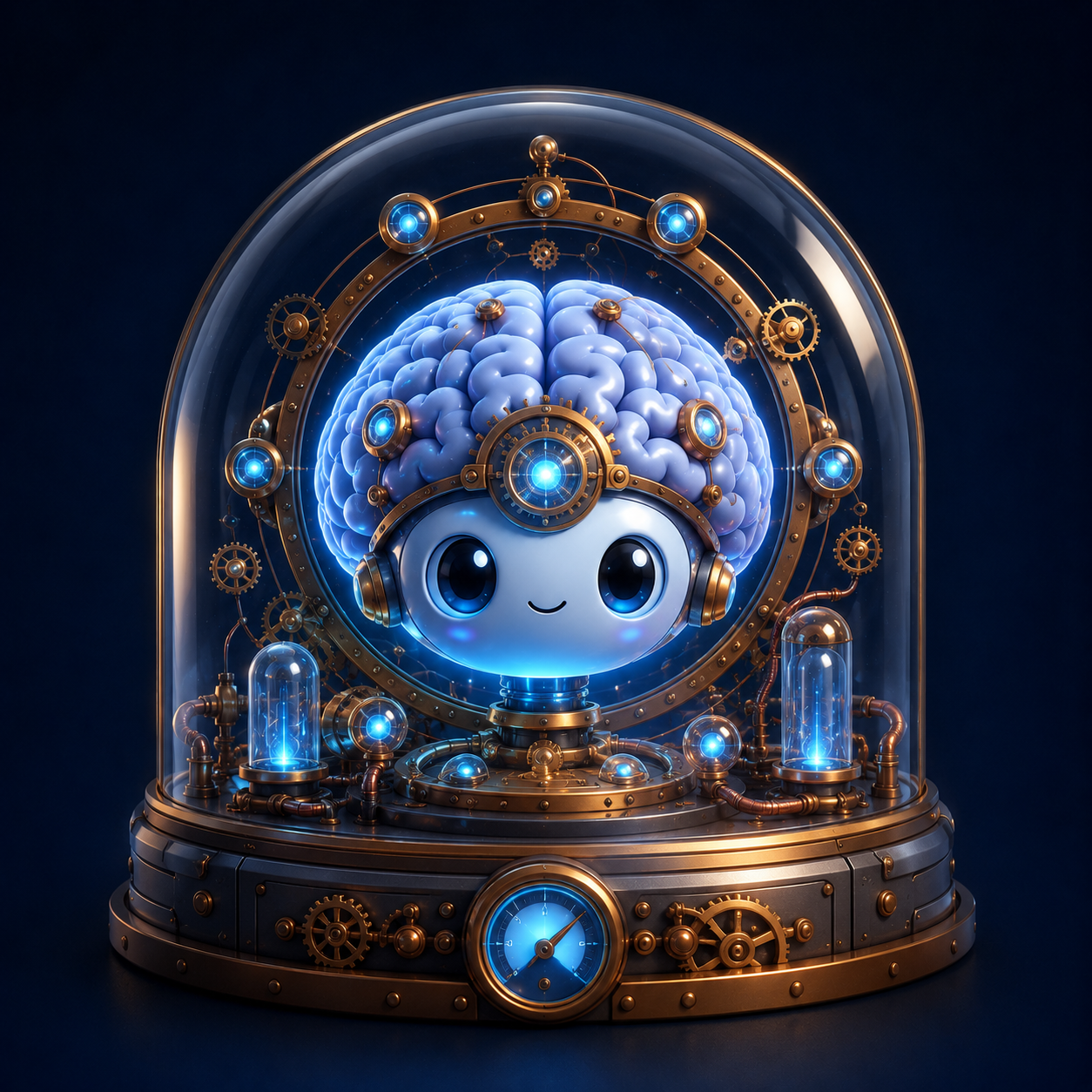
What does the brain avatar mean?
The avatar is a visual metaphor for memory and recall. HMS is a harness concept around AI work.
Does HMS mean unlimited memory?
No. The page describes useful project memory with review, limits, and recovery points.
Can HMS be used as a finished service today?
No. HMS is a research direction and public build story, not a deployment claim.